

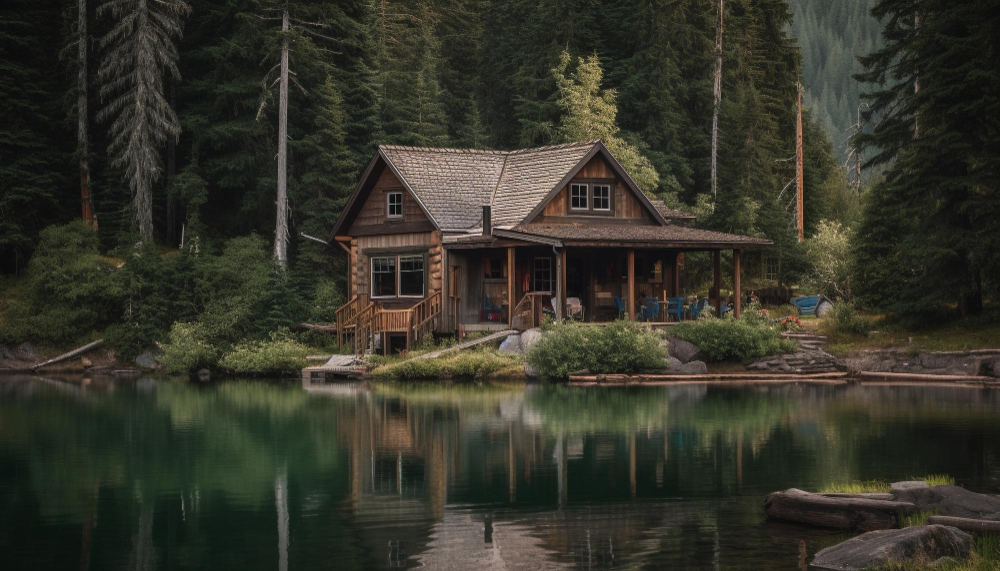
Canada is a country with its wide-open landscapes, silent forests, rugged mountains, and innumerable lakes. For years, cabins have come to symbolize escape, simplicity, and contact with nature throughout the country. From remote wilderness retreats to modern lakeside getaways, cabins continue to entice Canadians and visitors alike looking for peace, privacy, and a slower pace of life.
Why are cabins so popular in Canada?
Cabins attract those who want some time off from hustle-bustle city routines. In a country as large and diverse as Canada, cabins offer something unique in each region. In British Columbia, most cabins are nestled near mountains and rivers, while in Ontario and Quebec, they are more commonly found along lakes and forests. In the Prairies and Atlantic provinces, cabins offer quiet rural retreats with wide-open views.
The appeal lies in simplicity: cabins that encourage time outdoors, significant conversations, and a return to basic living sans constant distractions. Many families have cabin trips as a great tradition passed down through generations.
Cabin Types Found Across Canada
Cabins in Canada take on many manifestations, each serving different needs and lifestyles.
Log cabins are still very popular, especially when built in wooded areas. Cabins can provide warmth, durability, and a rustic beauty that blends naturally into the environment. Meanwhile, modern cabins boast clean lines, large windows, and eco-conscious materials combined with a cozy atmosphere.
Seasonal cabins are common in colder regions. These are designed primarily for summer use and may or may not include full insulation or heating. Year-round cabins are built for all seasons and often include proper insulation, fireplaces, and winter access roads. Many Canadians are now converting seasonal cabins into four-season homes.
Cabin Living as a Lifestyle Choice
Some consider cabins not just vacation spots, but full-time homes. Working remotely has made cabin living more practical, allowing people to work while being surrounded by nature. Living in a cabin fosters self-sufficiency and closer relations with the environment.
Living in cabins often means learning to handle weather fluctuations, wildlife encounters, and off-grid utilities. Many cabins depend on wells, septic systems, solar power, or propane heating. While this lifestyle takes some adjustment, many find it deeply rewarding and grounding.
Cabins and Canadian Tourism
Cabins have much potential in Canadian tourism. Tourists prefer cabin stays over staying in hotels because a cabin offers seclusion and scenery, along with a homey feeling. The demand for cabins is high, especially near national parks, lakes, ski resorts, and hiking trails.
Short-term cabin rentals have emerged as a significant source of income for property owners. A well-kept cabin with modern amenities appeals to tourists year-round, particularly those seeking quiet, nature-based vacations.
Building or Buying a Cabin in Canada
Buying or building a cabin requires some planning. Location is probably the most important factor. When considering an area, one must consider access to roads, utilities, water sources, and emergency services. Zoning laws and environmental regulations vary by province and municipality.
Weather conditions come into play: in northern regions, cabins need to withstand heavy snowfall and very low temperatures; near the sea, cabins need to be protected from humidity and strong winds. Proper selection of materials and design can ensure longevity and comfort.
The Emotional Value of Cabins
Beyond practical use, cabins hold strong emotional value. They are places where families gather, traditions are created, and memories are formed. Many Canadians relate cabins to childhood summers, fishing trips, campfires, and quiet mornings by the lake.
Cabins provide a rare chance to slow down. Without constant noise and digital interruptions, people are usually more present and relaxed. This emotional link is why cabins remain relevant even in the modern, fast-paced world.
The Future of Cabins in Canada
As sustainability becomes more important, cabins are evolving. Many new cabins are built with energy-efficient designs, renewable energy sources, and environmentally responsible materials. This aligns with Canada’s growing focus on conservation and climate awareness.
Cabins are no longer seen as outdated structures but as adaptable living spaces that blend comfort with nature. Whether rustic or modern, they remain symbols of balance between human living and the natural world.
FAQ’s
Are cabins in Canada suitable for year-round living
Yes, many cabins are designed for year-round use with proper insulation, heating systems, and winter access. Buyers should confirm that the cabin meets local building standards for full-time occupancy.
Is owning a cabin expensive in Canada
Costs vary depending on location, size, and amenities. While some remote cabins are affordable, others near popular lakes or parks can be costly. Maintenance and utility expenses should also be considered.
Can cabins be used as rental properties?
Yes, many cabin owners rent their properties to tourists. However, owners must follow provincial regulations, local zoning rules, and short-term rental laws before listing a cabin for rent.
